
News articles
News articles

Top News
Sport Science
Uni during the day, football pitch in the evening

Top News
Covid
Medical ethics
"Solidarity is a crisis concept"
Campus Life
Landingpage [Discover] Personal
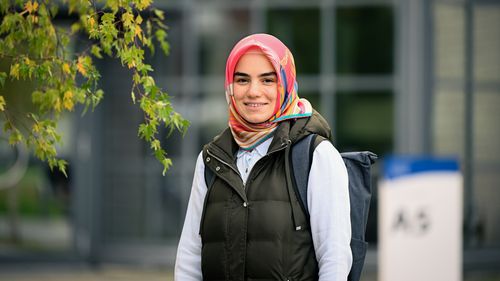
A new start in Oldenburg

Research
Top News
Computing Science
Using AI to operate critical infrastructure autonomously

Top News
Higher Education Policy
Contact point for researchers from all over the world
Top News
Studying
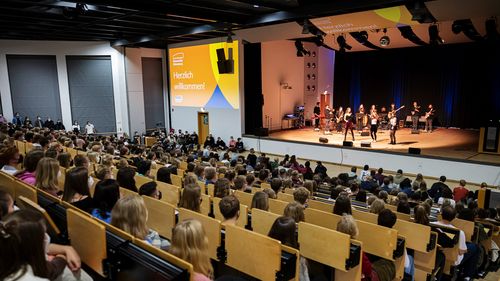
New faces on campus

Research
Top News
Marine Sciences
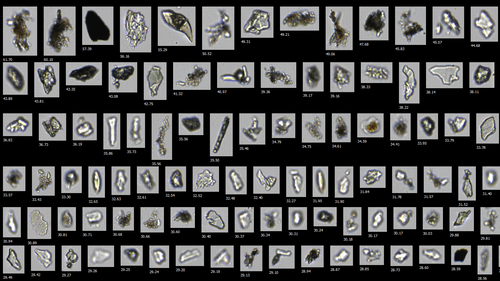
Unlocking the secrets of glacier flour

Top News
How the university deals with the energy crisis

Energy
Embracing the crisis to make a better future

Energy
Goal: reduce electricity and gas consumption by a fifth
Energy
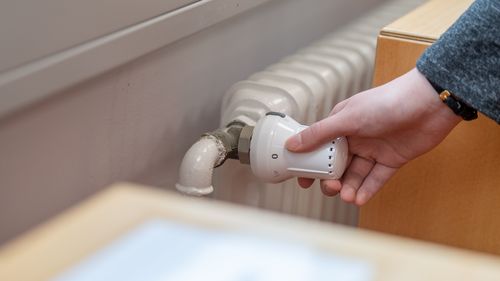
Energy saving tips for the University of Oldenburg
Energy
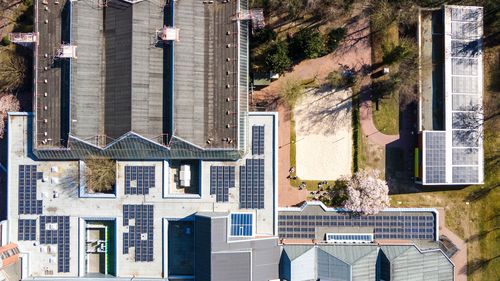
Major potential to cut emissions from electricity and gas consumption

Campus Life
International affairs
Studying internationally and interculturally

Top News
Economics
International affairs
Reforestation for climate protection in Tanzania
Top News
People
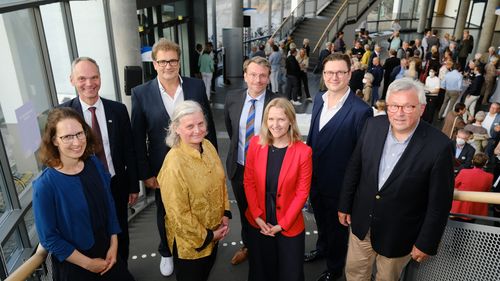
Newly constituted University Council begins its work

Top News
History
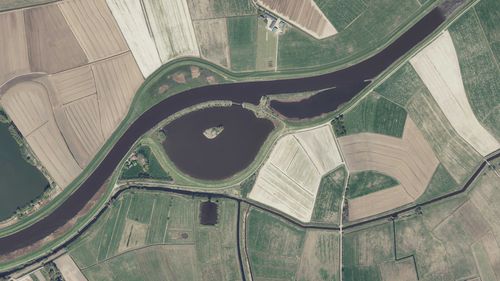
Integration figure in turbulent times?
Top News
Marine Sciences
Computing Science
AI for the water industry
Campus Life
Teacher Education
GIZ
Tilting desired
Topics
- Astronomy
- Biology
- Botanical garden
- Chemistry
- Computing Science
- Cooperations
- Covid
- Culture
- Dutch Studies
- Early Career
- Economics
- Educational Sciences
- Energy
- Energy Research
- Environmental Sciences
- Equal opportunities
- German Studies
- Graduate academy
- Health Services Research
- Higher Education Policy
- History
- Human Medicine
- International affairs
- Marine Sciences
- Material Culture
- Medical ethics
- Medical Physics and Acoustics
- Music
- Neuroscience
- People
- Philosophy
- Physics
- Presidential Board
- Psychology
- Research
- Slavic Studies
- Social Sciences
- Special Needs Education
- Sport Science
- Study Affairs
- Sustainability
- Teacher Education
- Theology
- Transfer
- University Medicine
- Ukraine
- Wind Physics