News articles
News articles

More news
Higher Education Policy
University and Jade University of Applied Sciences co-operate in graduate funding
More news
Research
Migration: CMC - New centre opens with conference
Campus Life
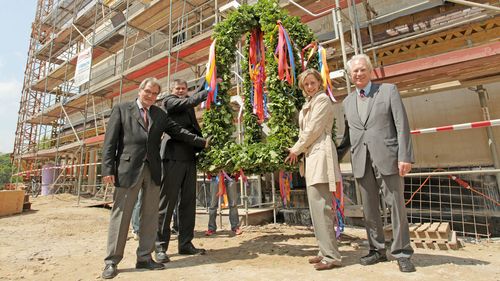
Topping-out ceremony: New NeSSy research building on the Wechloy campus
More news
Research
EU project enercoast: utilising bioenergy in coastal regions
Research
Top News
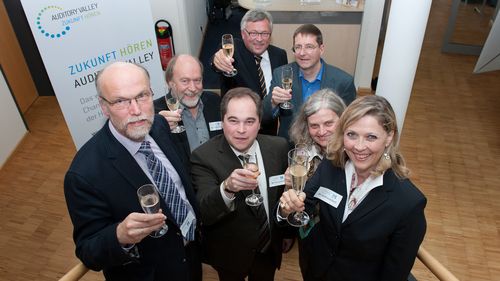
Excellence Initiative: University of Oldenburg successful
More news
Higher Education Policy
ERASMUS seal of quality "E-Quality
More news
Studying
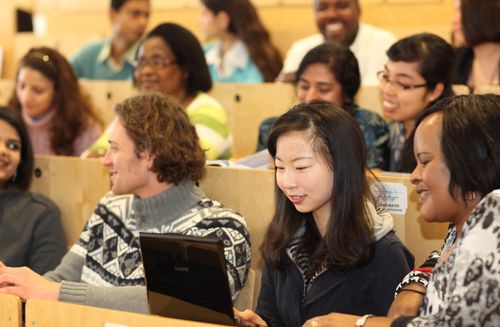
Project for more educational equality
Campus Life
Short question, short answer
More news
Research
Science Truck: "The fascination of the Wadden Sea"
More news
Research
"Jewish education and educational concepts"
More news
Research
International conference: "Small literatures" in comparison
Top News
Research
In the web of forces
More news
Research
Presentation of the Immanuel Kant Research Prize
Campus Life
The silent revolution

More news
Studying
OLB/EWE prize for student achievements

Top News
Research
A new building for wind farm research
More news
People
New EINBLICKE and AlMa relaunch
More news
Research
Edward O. Wilson lecture series starts
Top News
Research
"The reader has more influence than you might think"
More news
People
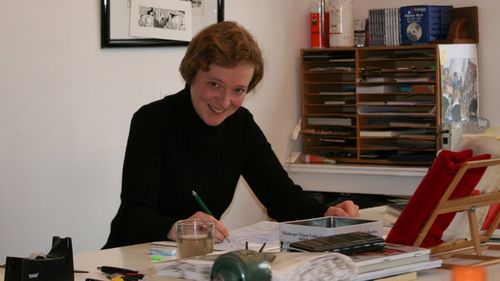
Poetry lecture by comic artist Isabel Kreitz
Topics
- Astronomy
- Biology
- Botanical garden
- Chemistry
- Computing Science
- Cooperations
- Covid
- Culture
- Dutch Studies
- Early Career
- Economics
- Educational Sciences
- Energy
- Energy Research
- Environmental Sciences
- Equal opportunities
- German Studies
- Graduate academy
- Health Services Research
- Higher Education Policy
- History
- Human Medicine
- International affairs
- Marine Sciences
- Material Culture
- Medical ethics
- Medical Physics and Acoustics
- Music
- Neuroscience
- People
- Philosophy
- Physics
- Presidential Board
- Psychology
- Research
- Slavic Studies
- Social Sciences
- Special Needs Education
- Sport Science
- Study Affairs
- Sustainability
- Teacher Education
- Theology
- Transfer
- University Medicine
- Ukraine
- Wind Physics