
News articles
News articles

Top News
Higher Education Policy
Science needs liberal democracy and the rule of law

Anniversary
Top News
Culture
New Year's reception in the anniversary year with lots of music



Research
Top News
Computing Science
"A large part of the world's knowledge is in AI"


Top News
Health Services Research
Educating people about pain

Research
Top News
Teacher Education
Theology
On the lookout for antisemitism

Excellence Strategy
Top News
Marine Sciences
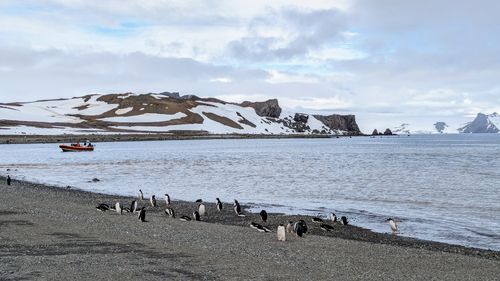
Climate research at the far end of the world

Top News
Health Services Research
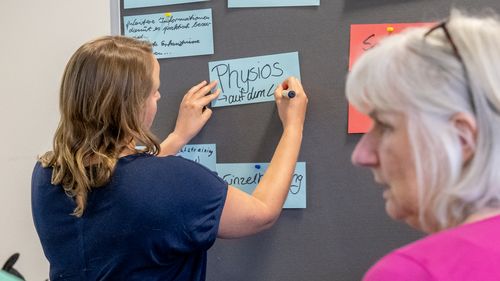
Through the eyes of those affected
Excellence Strategy
Research
Top News
Biology
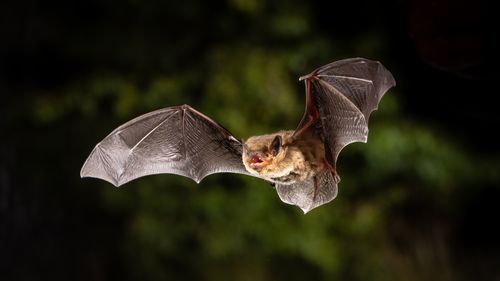
Migratory bats can detect the Earth’s magnetic field


Top News
Higher Education Policy
People
New Presidential Board from January

Campus Life
Create hope

Anniversary
Top News
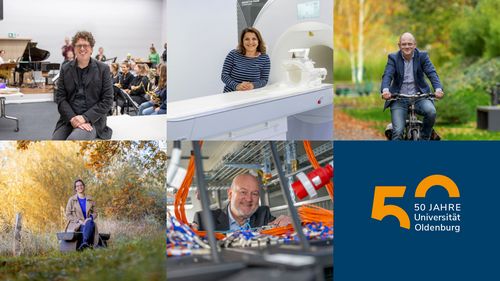
University celebrates the start of its anniversary year

Anniversary
Campus Life
New online store with university merchandise
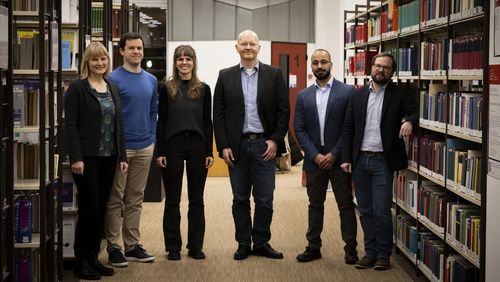
Teaching
Top News
University presents Awards for Excellence in Teaching
Topics
- Astronomy
- Biology
- Botanical garden
- Chemistry
- Computing Science
- Cooperations
- Covid
- Culture
- Dutch Studies
- Early Career
- Economics
- Educational Sciences
- Energy
- Energy Research
- Environmental Sciences
- Equal opportunities
- German Studies
- Graduate academy
- Health Services Research
- Higher Education Policy
- History
- Human Medicine
- International affairs
- Marine Sciences
- Material Culture
- Medical ethics
- Medical Physics and Acoustics
- Music
- Neuroscience
- People
- Philosophy
- Physics
- Presidential Board
- Psychology
- Research
- Slavic Studies
- Social Sciences
- Special Needs Education
- Sport Science
- Study Affairs
- Sustainability
- Teacher Education
- Theology
- Transfer
- University Medicine
- Ukraine
- Wind Physics