
News articles
News articles

Top News
Studying
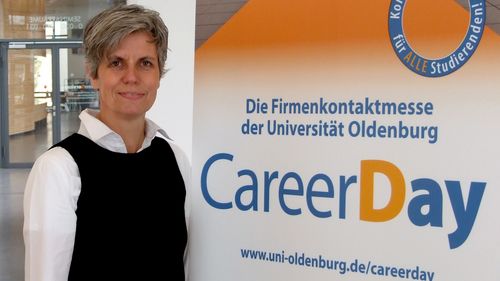
Dissolve the boundaries of studying!
Campus Life
Studying
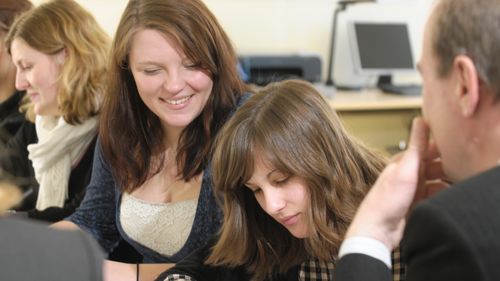
A day for the future
Top News
Research
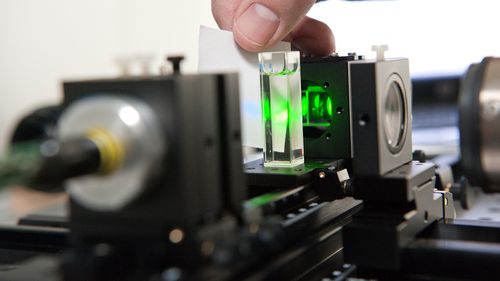
The rediscovery of "sky-blue fluorescence"

More news
Studying
Conference on democracy in Europe
Campus Life
The memory of the Oldenburgers
More news
Studying
4th Specialist Masterclass "Sport and Lifestyle"
More news
Studying
Building approval for student service centre
More news
People
Christoph Böhringer appointed to the Expert Commission for Research and Innovation
More news
Studying
New online business models wanted
Campus Life
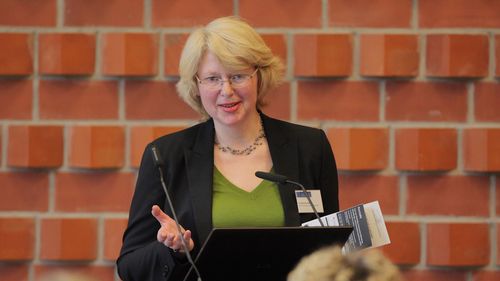
"The courage to be independent"
Top News
Research
A look into the ocean's past
More news
Studying
Pilot project to support students
More news
Higher Education Policy
"University, regionally anchored start-up culture"
More news
Studying
DAAD Alumni Summer School launched

Top News
Research
The light catchers
More news
Studying
Summer school "Modern Computational Science: Optimisation"
More news
Higher Education Policy
Graduate School receives further funding
More news
Studying
Series of lectures on early childhood education

Campus Life
Climate neutral for 25 cents per day
Topics
- Astronomy
- Biology
- Botanical garden
- Chemistry
- Computing Science
- Cooperations
- Covid
- Culture
- Dutch Studies
- Early Career
- Economics
- Educational Sciences
- Energy
- Energy Research
- Environmental Sciences
- Equal opportunities
- German Studies
- Graduate academy
- Health Services Research
- Higher Education Policy
- History
- Human Medicine
- International affairs
- Marine Sciences
- Material Culture
- Medical ethics
- Medical Physics and Acoustics
- Music
- Neuroscience
- People
- Philosophy
- Physics
- Presidential Board
- Psychology
- Research
- Slavic Studies
- Social Sciences
- Special Needs Education
- Sport Science
- Study Affairs
- Sustainability
- Teacher Education
- Theology
- Transfer
- University Medicine
- Ukraine
- Wind Physics