News articles
News articles

Ukraine
Special Needs Education
Start-up aid in everyday school life in Oldenburg
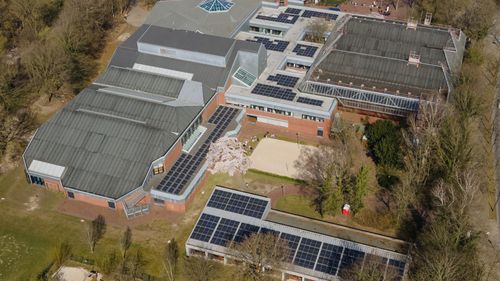
Campus Life
Green energy from the roof
Excellence Strategy
Research
Top News
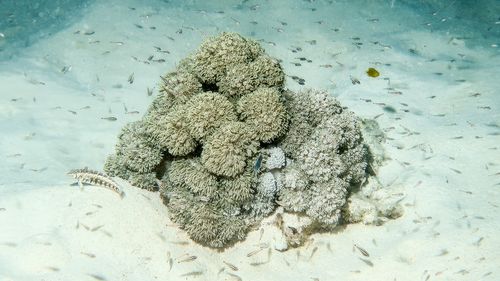
Biology
Navigation without sextant or GPS

Ukraine
Discussing the background and consequences of the war
Top News
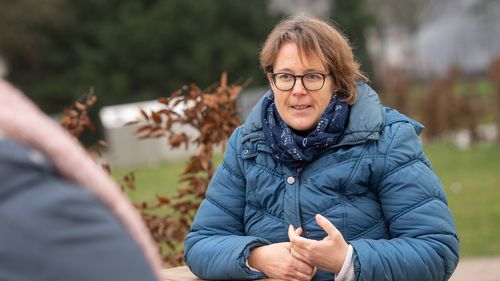
Educational Sciences
"Developing an attitude"
Campus Life
Research
Music
Music as the greatest passion
Top News
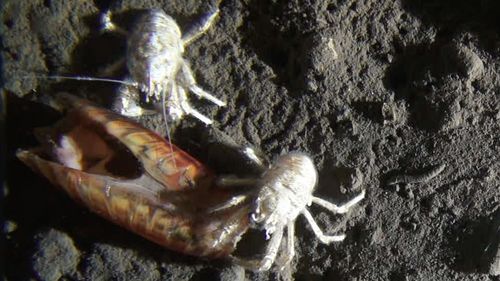
Marine Sciences
Research
A mutually beneficial relationship

Campus Life
Early Career
Experienced guidance

Top News
Research
Chemistry
Travelling with the nitrate stick

Ukraine
Top News
History
"Courage that inspires hope"

Top News
Research
Human Medicine
New dimensions in surgery

Campus Life
Material Culture
The sense and nonsense of hobbies
![[Translate to English:]](/fileadmin/_processed/3/c/csm_minima_moralia2_27d9586fa3.jpg "[Translate to English:]")
Top News
Philosophy
Where is history leading us?

Campus Life
Human Medicine
Setting up forty additional chairs is not enough

Campus Life
International affairs
Online and intercultural
Campus Life
Early Career
Experienced accompaniment - Part 1

Top News
Music
Singing in decline?

Equal opportunities
Top News
Between worlds

Top News
Early Career
Good support for doctoral candidates

Top News
International affairs
Outstanding students from all over the world
Topics
- Astronomy
- Biology
- Botanical garden
- Chemistry
- Computing Science
- Cooperations
- Covid
- Culture
- Dutch Studies
- Early Career
- Economics
- Educational Sciences
- Energy
- Energy Research
- Environmental Sciences
- Equal opportunities
- German Studies
- Graduate academy
- Health Services Research
- Higher Education Policy
- History
- Human Medicine
- International affairs
- Marine Sciences
- Material Culture
- Medical ethics
- Medical Physics and Acoustics
- Music
- Neuroscience
- People
- Philosophy
- Physics
- Presidential Board
- Psychology
- Research
- Slavic Studies
- Social Sciences
- Special Needs Education
- Sport Science
- Study Affairs
- Sustainability
- Teacher Education
- Theology
- Transfer
- University Medicine
- Ukraine
- Wind Physics