Oldenburg life
Oldenburg life
Oystercatcher
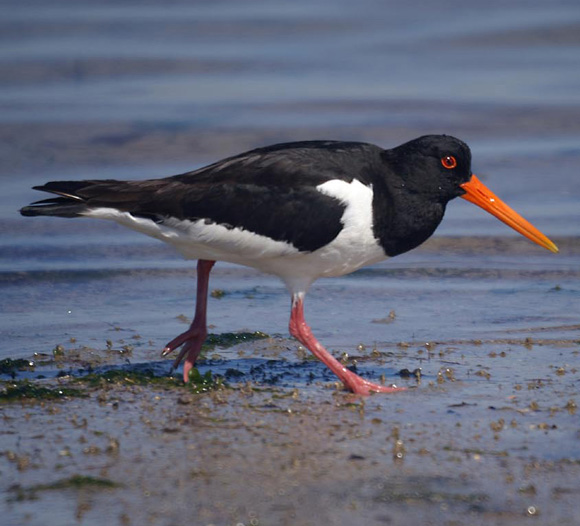
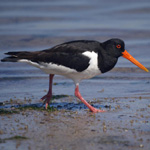
This conspicuous wading bird breeds on the coast and inland. In Oldenburg, it can also be observed right next to the university in the Haaren lowlands. Its powerful, sharp monosyllabic call is unmistakable.
Fork kelp

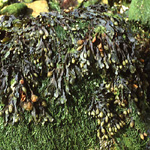
The brown algae can be found in the intertidal zone on hard substrate. The brown nodules are the containers of the spores.
Redshank

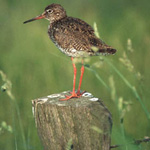
In flight, the bird can be recognised by its white wing patches and its melodic call "düüü-dü-dü" can be heard from afar. In Oldenburg, for example, it can be found in the Bornhorst meadows.
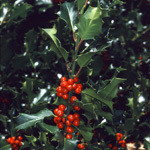
Holly

As Ilex is both a characteristic wild plant of the Atlantic climate and an ornamental plant in gardens, it was chosen as the name of the Association of Sponsors and Friends of the Botanical Garden Oldenburg.
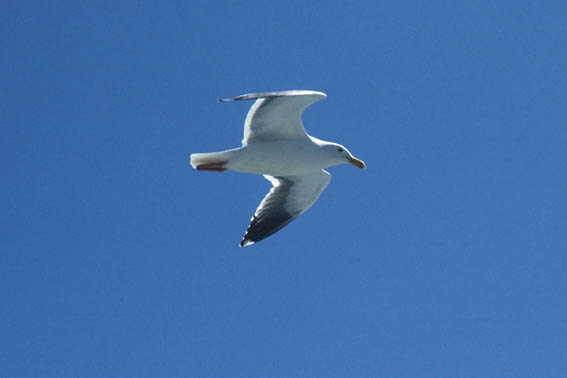
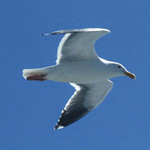
Black-headed gulls
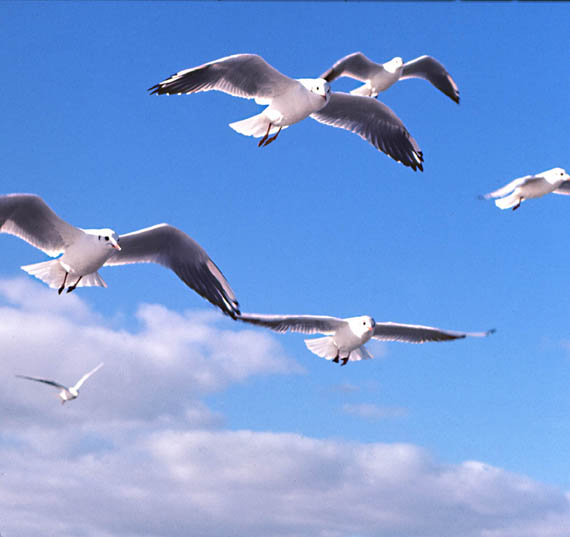
The University of Oldenburg is the closest of the German universities to the North Sea. In addition to the black-headed gulls that breed inland, herring gulls are also common.
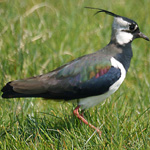
Lapwing

The lapwing also breeds in the Haarenniederung near the university grounds. In spring, its striking courtship flights and "Kiewitt" calls can be observed.
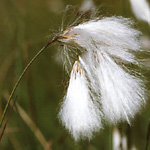
Cotton grass
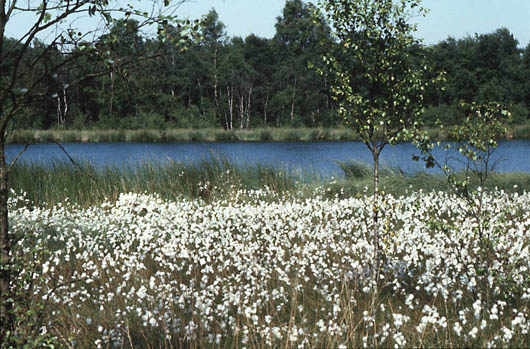
 Narrow-leaved cotton grass
Oldenburg is surrounded by moors. In the Großes Engelsmeer nature reserve, the fruiting sundew and narrow-leaved cottongrass can be particularly admired in spring.
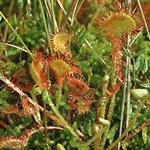
Sundew
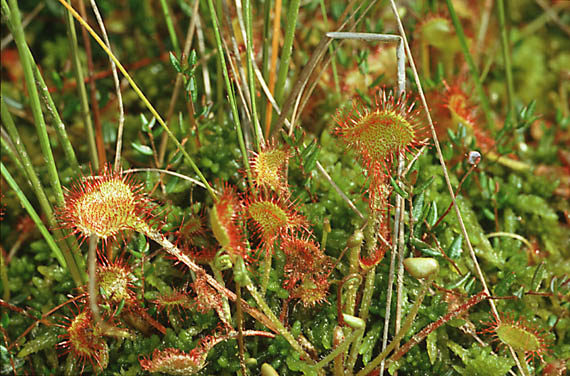
The insect-catching, protected round-leaved sundew with its red, glandular tentacles also grows in the Großes Engelsmeer nature reserve.
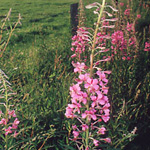
Willowherb
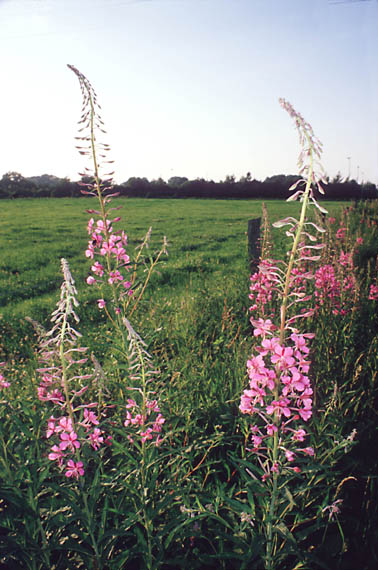
Willows and ditches characterise the peaty and cultivated moorland areas. Narrow-leaved willowherb or fireweed often colonises ditches and fallow land in large numbers.
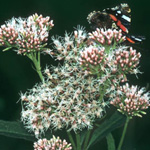
Water asters
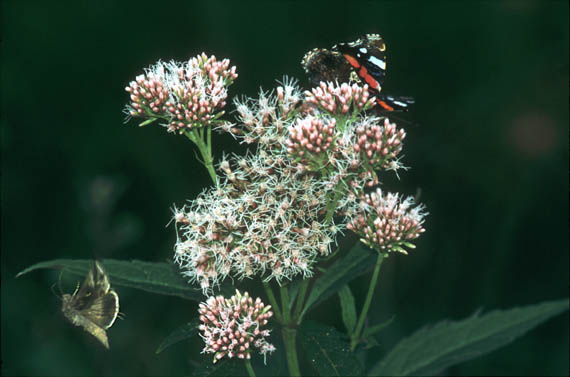
On wet roadsides and in ditches, there is water azalea, which is a particular centre of attraction for numerous butterfly species. The picture taken near the Ipweger Moor shows an admiral and a gamma owl.
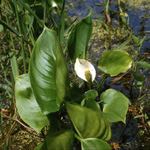
Swamp Calla
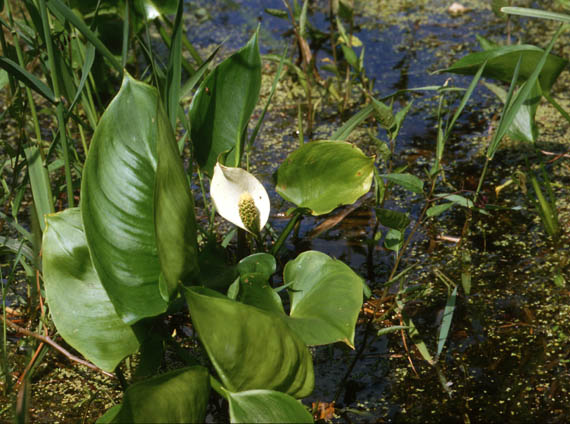
A large population of marsh calla (dragon's root, snakeweed) can be found in the Gellener Torfmöörte. It belongs to the arum family and is a protected species.
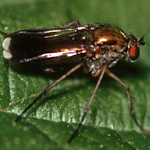
Long-legged fly
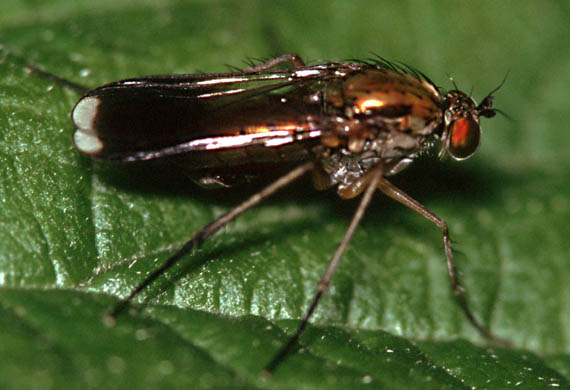
The attractive long-legged fly lives in large numbers in the wetlands of the Gellener Torfmöörte.
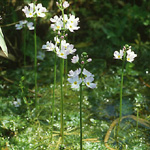
Water feather
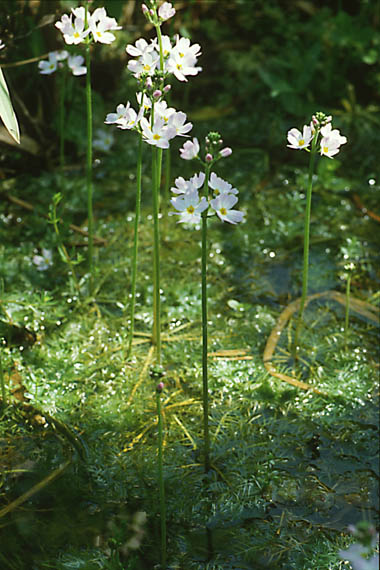
The pretty water feather is an amphibious primrose plant. Its finely divided leaves lie under water, while the inflorescences protrude far above it. The water feather also adorns the ditches on the university campus in Wechloy (Carl-von Ossietzky-Straße).
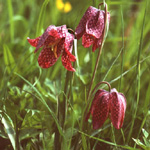
Chess flower
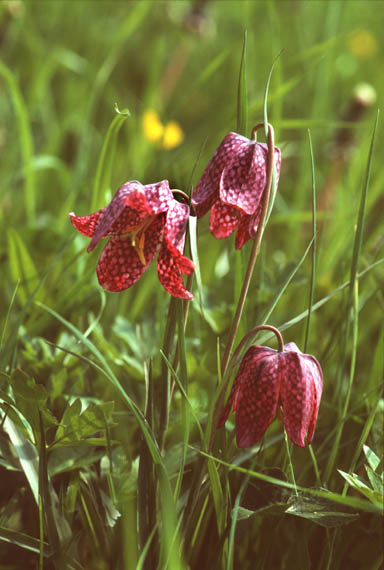
In the Oldenburg region, unfertilised meadows in the Wesermarsch are home to the only wild occurrence of the chess flower in northern Germany. The closest relative of the lily plant is the imperial crown, which is sometimes cultivated in gardens.
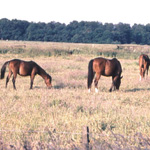
Horses

Oldenburg is horse country. Oldenburg horse breeding is the oldest in Germany. Formerly medium-weight working carriage horses, the "Oldenburgers" have been re-bred to become the most successful show jumpers at the Olympic Games (see further reading).
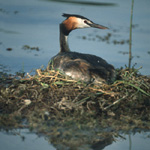
Great Crested Grebe
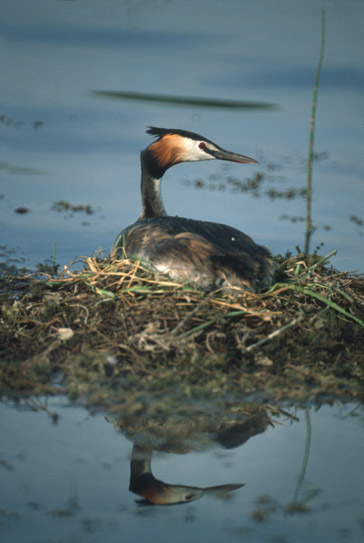
The great crested grebe regularly breeds on Lake Wold near Oldenburg. The Woldsee was created by sand excavation during motorway construction and is now a popular bathing lake.
Read more
Fischbeck-Eysholdt, M. (2004). Forays through nature - memories of biology didactic excursions. In: H. Gropengießer, A. Janssen-Bartels & E. Sander (Eds.), Lehren fürs Leben. Cologne: Aulis, pp. 163-166.
Schneider, J. & Kattmann, U. (2002). From pulling to crossing. The rebreeding of the Oldenburg horse teaching model for lower secondary level. Unterricht Biologie, 26 (272), 23-26.
Taux, K. (1986). The Oldenburg nature reserves. Oldenburg: Holzberg.